Anytime Plumbing & Mechanical
Licensed Plumbing Team
Industrial and commercial plumbing are closely related, but they are not always the same type of work. Both involve professional plumbing systems used by businesses and other non-residential properties, yet the size of the building, water demand, drainage requirements, equipment connections, operating environment, and consequences of a plumbing failure can vary significantly. Choosing the right plumbing service starts with understanding those differences.
For businesses in Brampton and across the Greater Toronto Area, a plumbing issue can affect employees, customers, tenants, equipment, inventory, and daily operations. We provide commercial and industrial plumbing support for properties such as offices, restaurants, warehouses, retail locations, industrial facilities, and other commercial sites. Our approach is to assess the plumbing system, identify the source of the problem, and recommend a practical repair, maintenance, installation, or replacement solution.
Table of Contents
- What Is a Commercial Plumber?
- What Is an Industrial Plumber?
- Industrial Plumber vs. Commercial Plumber: Key Differences
- What Services Can Both Types of Plumbers Provide?
- When Does a Business Need an Industrial Plumber?
- When Is a Commercial Plumber the Right Choice?
- Why Mechanical Plumbing Matters in Commercial and Industrial Properties
- How We Approach Commercial and Industrial Plumbing Projects
- Common Signs You Need Professional Plumbing Support
- Frequently Asked Questions
- Conclusion
What Is a Commercial Plumber?
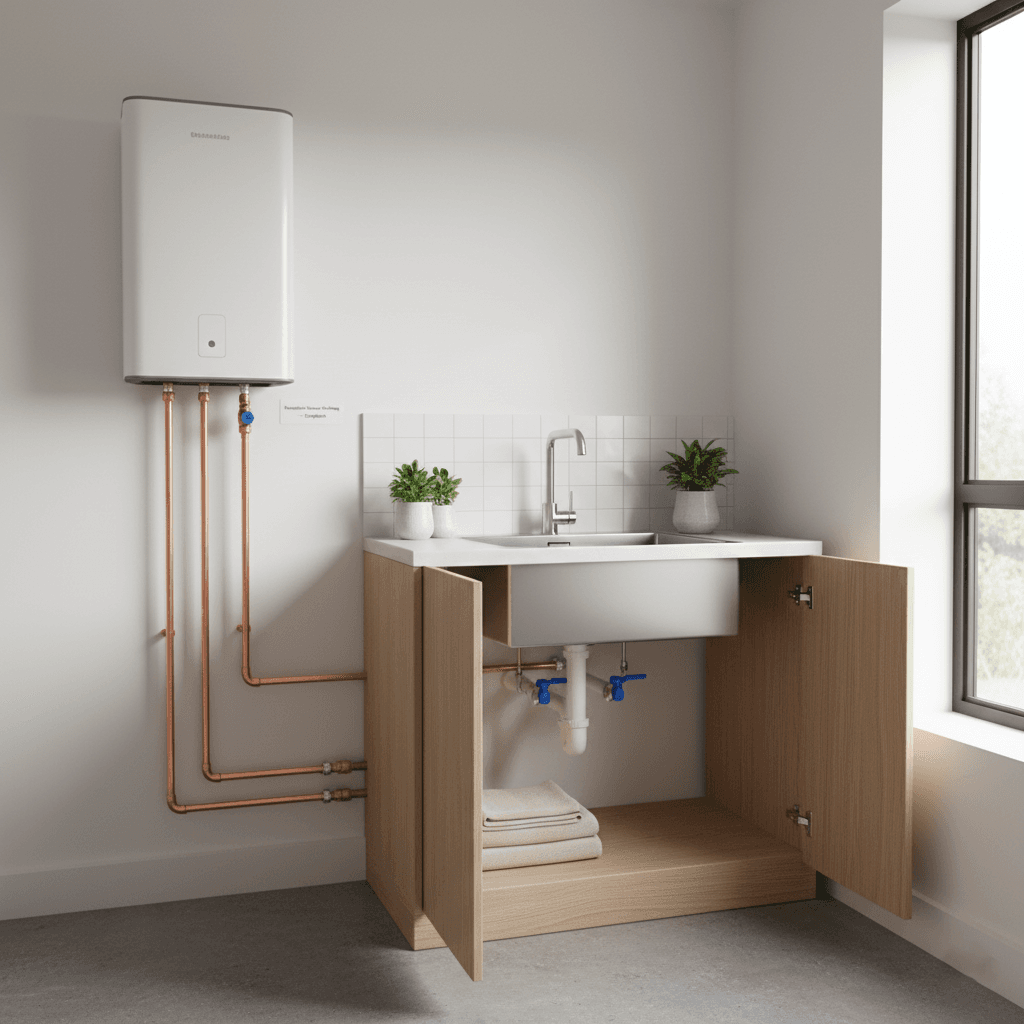
A commercial plumber works on plumbing systems serving businesses and commercial properties. These can include offices, restaurants, retail stores, hotels, clinics, warehouses, and other buildings where plumbing supports employees, customers, tenants, equipment, kitchens, washrooms, and daily operations.
Commercial plumbing can include repairs, installations, maintenance, drain cleaning, sewer line services, pipe repair and replacement, water filtration and softener systems, backflow prevention, hydro jetting, commercial water heaters, grease-related plumbing services, and emergency plumbing. The exact work depends on the property's layout, use, plumbing infrastructure, and operating requirements.
For example, a restaurant may need grease trap and commercial kitchen drainage support, while an office building may have greater demand around washrooms, sinks, water supply, and common-area drainage. A commercial plumber assesses the property and provides the service appropriate to its plumbing system. Explore our commercial plumbing services for comprehensive business support.
What Is an Industrial Plumber?
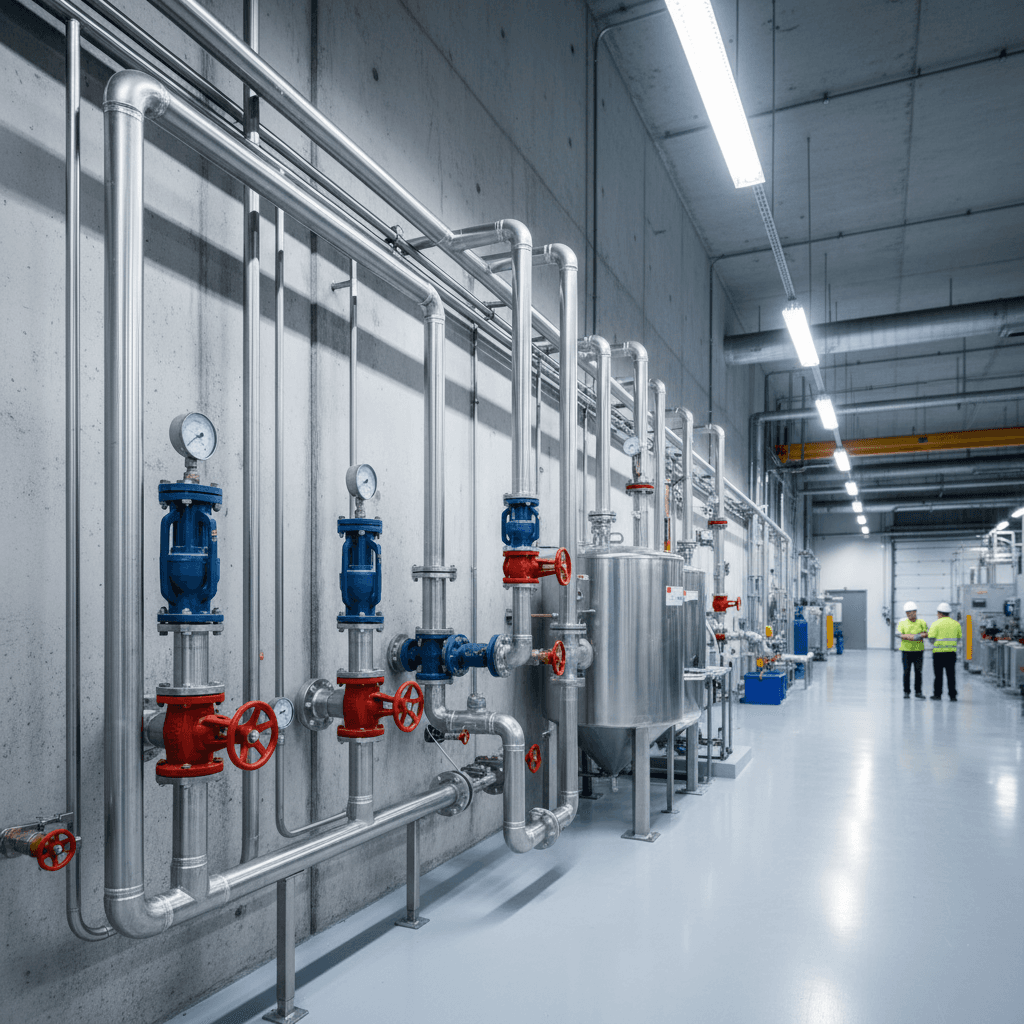
An industrial plumber works on plumbing systems used in industrial facilities and other large or specialized properties. These environments may have larger water demands, more extensive piping networks, specialized equipment connections, floor drains, sump systems, complex drainage, and other mechanical plumbing components.
Industrial plumbing can involve installation and upgrades, pipe repair and replacement, drainage solutions, sump pump services, backflow prevention, sewer line work, equipment connections, and emergency plumbing. The requirements vary by facility, building use, existing infrastructure, equipment, and operating environment.
Industrial plumbing is therefore not defined simply by the word "industrial." The actual plumbing requirements of the facility determine the complexity and scope of work. Read more in our guide on industrial plumbing in Brampton.
Industrial Plumber vs. Commercial Plumber: Key Differences
| Area | Commercial Plumbing | Industrial Plumbing |
|---|---|---|
| Property Type | Offices, retail, restaurants, hotels, clinics and other businesses. | Industrial facilities and larger or specialized properties. |
| System Demands | Often driven by occupants, fixtures, kitchens, washrooms and business activity. | May involve higher water use, larger piping networks and specialized equipment. |
| Drainage | Commercial drains, sewer lines, kitchens, washrooms and floor drains. | May include larger drainage networks, floor drains and facility-specific wastewater needs. |
| Equipment Connections | Common commercial fixtures and equipment. | May include specialized equipment connections depending on the facility. |
| Operational Impact | Plumbing failures can disrupt customers, staff and business operations. | Failures can also affect equipment, production areas, inventory and facility operations. |
| Typical Services | Repairs, installations, maintenance, drain/sewer work, backflow and emergency service. | The same core services, often with greater system complexity or specialized requirements. |
What Services Can Both Types of Plumbers Provide?
Commercial and industrial plumbing overlap in many important areas. A qualified plumbing team may support both types of properties with similar core services, while adjusting the approach to the building and plumbing system.
Pipe Repair and Replacement
Damaged, leaking, corroded, or deteriorated pipes may require repair or replacement after assessment. Learn about our commercial pipe repair and replacement.
Drain and Sewer Services
Blocked drains, recurring backups, grease buildup, and sewer restrictions may require professional cleaning, inspection, repair, or replacement. Review our sewer and drain cleaning services and commercial sewer line services.
Backflow Prevention
Commercial and industrial properties may require backflow prevention measures based on their plumbing configuration and operational risks. See our backflow prevention services.
Water Systems
Commercial water heaters, water filtration, softeners, and related water-supply components may require installation, repair, or maintenance.
Emergency Plumbing
Burst pipes, major leaks, severe backups, failed sump pumps, flooding, and other urgent failures can require prompt professional attention. Call our 24/7 emergency plumbers immediately.
When Does a Business Need an Industrial Plumber?
A business may need industrial plumbing support when its facility has larger, specialized, or more complex plumbing requirements. This can include a facility with extensive piping, multiple drainage areas, specialized equipment, significant water demand, sump systems, or plumbing infrastructure that is closely connected to ongoing operations.
Professional industrial plumbing support is particularly relevant when a problem is recurring, affects several areas, creates water damage, interrupts operations, or involves equipment or infrastructure that requires a system-level assessment. Examples include persistent low water pressure, recurring drain blockages, leaking or corroded piping, sump pump failure, suspected backflow, and major water leaks.
The goal should not be to treat every industrial plumbing problem as a major project. Instead, we assess the actual condition and scope so the property owner or facility manager can make an informed repair or maintenance decision.
When Is a Commercial Plumber the Right Choice?
A commercial plumber is appropriate for most business properties that need professional plumbing installation, repair, maintenance, drainage, sewer, or emergency support. Offices, restaurants, retail stores, hotels, clinics, warehouses, and other commercial properties can have very different plumbing needs.
The best starting point is to describe the property, the affected system, and the symptoms. For example, a restaurant with recurring kitchen drainage problems may need commercial drain cleaning and grease-management support. An office with multiple slow washroom drains may have a larger drainage issue. A retail property with a leaking supply line may need pipe repair or replacement.
Where a commercial property has more specialized infrastructure, industrial plumbing expertise may also be relevant. The categories are not mutually exclusive; the plumbing system itself determines the appropriate scope.
Why Mechanical Plumbing Matters in Commercial and Industrial Properties
Mechanical plumbing becomes important when plumbing systems interact with larger building systems, equipment, water supply infrastructure, drainage, and other mechanical components. A facility may depend on reliable water delivery, wastewater removal, sump systems, backflow protection, and equipment connections at the same time.
This is why a visible plumbing symptom does not always identify the complete problem. A recurring drain blockage, for example, may be caused by buildup, damaged piping, poor drainage, or a larger sewer-line condition. Similarly, low water pressure can have different causes depending on the property's supply, piping, fixtures, and equipment.
We focus on identifying the affected system and likely cause before recommending the next step. That approach can help prevent repeated temporary fixes when a broader plumbing issue needs attention.
How We Approach Commercial and Industrial Plumbing Projects
Every property is different, so we begin by understanding the plumbing problem and the environment in which it occurs. We inspect the affected system, identify the likely source, and discuss practical repair, replacement, installation, or maintenance options.
- Understand the Problem: We review the symptoms, affected areas, operating conditions, and any relevant history of recurring failures.
- Assess the Plumbing System: We inspect accessible components and consider the relationship between the visible problem and the wider plumbing system.
- Identify the Appropriate Scope: We determine whether the issue calls for cleaning, repair, replacement, maintenance, or a more detailed assessment.
- Complete the Required Work: We use professional equipment and established repair methods appropriate to the plumbing problem and property.
- Explain the Next Steps: Where additional maintenance or repair is advisable, we explain the condition and available options so the property team can plan accordingly.
Common Signs You Need Professional Plumbing Support
Whether a property is commercial or industrial, certain symptoms should not be ignored. Consider professional assessment when you notice:
- ◆Recurring drain blockages or sewer backups
- ◆Multiple fixtures becoming slow at the same time
- ◆Visible leaks, water pooling, or unexplained water accumulation
- ◆Persistent or inconsistent water pressure
- ◆A sump pump that stops working, runs continuously, or fails to remove water
- ◆Signs of damaged, corroded, or deteriorated piping
- ◆Suspected backflow or water-quality concerns
- ◆A plumbing problem that repeatedly returns after temporary repairs
- ◆A plumbing failure that could interrupt normal business operations
For urgent failures such as major leaks, burst pipes, flooding, or severe backups, prompt action can help limit ongoing water exposure and operational disruption. If it is safe to do so, isolate the affected water supply while arranging professional assistance.
The difference between an industrial plumber and a commercial plumber is mainly the type, scale, complexity, and operating requirements of the property being serviced. Commercial plumbing can cover everything from offices and retail properties to restaurants and hotels, while industrial plumbing may involve larger or more specialized facilities with complex piping, drainage, equipment connections, and operational demands.
For Brampton and GTA businesses, the important step is to match the plumbing service to the actual condition of the property and system. We provide commercial and industrial plumbing services, including pipe repair and replacement, drain and sewer services, backflow prevention, hydro jetting, water systems, and emergency plumbing. If a plumbing problem is recurring, affecting operations, or causing water damage, professional assessment can help identify the appropriate next step. Visit our plumbing blog and resources or contact us to discuss your facility's requirements.
Frequently Asked Questions
Is an industrial plumber the same as a commercial plumber?
Not necessarily. There is significant overlap, but industrial plumbing often involves larger or more specialized facilities, equipment connections, piping networks, drainage requirements, and operational considerations. The appropriate service depends on the actual plumbing system.
Can a commercial plumber work on an industrial property?
Yes, depending on the scope and requirements of the project. Commercial and industrial plumbing services overlap in areas such as pipe repair, drain cleaning, sewer services, backflow prevention, water systems, and emergency repairs.
What does an industrial plumber do?
An industrial plumber can install, inspect, repair, replace, and maintain plumbing infrastructure used in industrial and other specialized properties. Work may include piping, drainage, sump pumps, backflow prevention, sewer systems, fixtures, and equipment connections.
What does a commercial plumber do?
A commercial plumber provides plumbing services for business properties such as offices, restaurants, retail stores, hotels, clinics, warehouses, and other commercial sites. Services can include installation, repairs, maintenance, drain and sewer work, backflow prevention, water systems, and emergency plumbing.
When should a business call an industrial plumber?
Professional industrial plumbing support is appropriate when a facility has complex or specialized plumbing needs, recurring system failures, major leaks, drainage problems, low water pressure, sump pump issues, backflow concerns, or plumbing problems that may interrupt operations.
Does Anytime Plumbing & Mechanical provide both commercial and industrial plumbing?
Yes. We provide commercial plumbing support for offices, restaurants, retail, industrial facilities, warehouses, and other commercial properties throughout Brampton and the GTA.