Anytime Plumbing and Mechanical Team
Commercial & Industrial Division
Industrial plumbing is more than fixing a leaking pipe or clearing a blocked drain. Industrial facilities can have larger water demands, complex piping networks, specialized equipment, floor drains, drainage systems, backflow risks, and plumbing infrastructure that must keep operating with minimal interruption. For businesses in Brampton, a plumbing problem can affect production, employees, customers, inventory, equipment, and the building itself.
We provide professional plumbing support for commercial and industrial environments throughout Brampton and the GTA. Our approach is to identify the source of the problem, assess the condition of the affected plumbing system, and recommend a practical repair or maintenance solution. Whether you are dealing with recurring drainage problems, a damaged water line, poor water pressure, a sump pump issue, or an urgent plumbing failure, understanding the underlying problem can help you respond before a minor issue becomes a costly disruption.
What Is Industrial Plumbing?
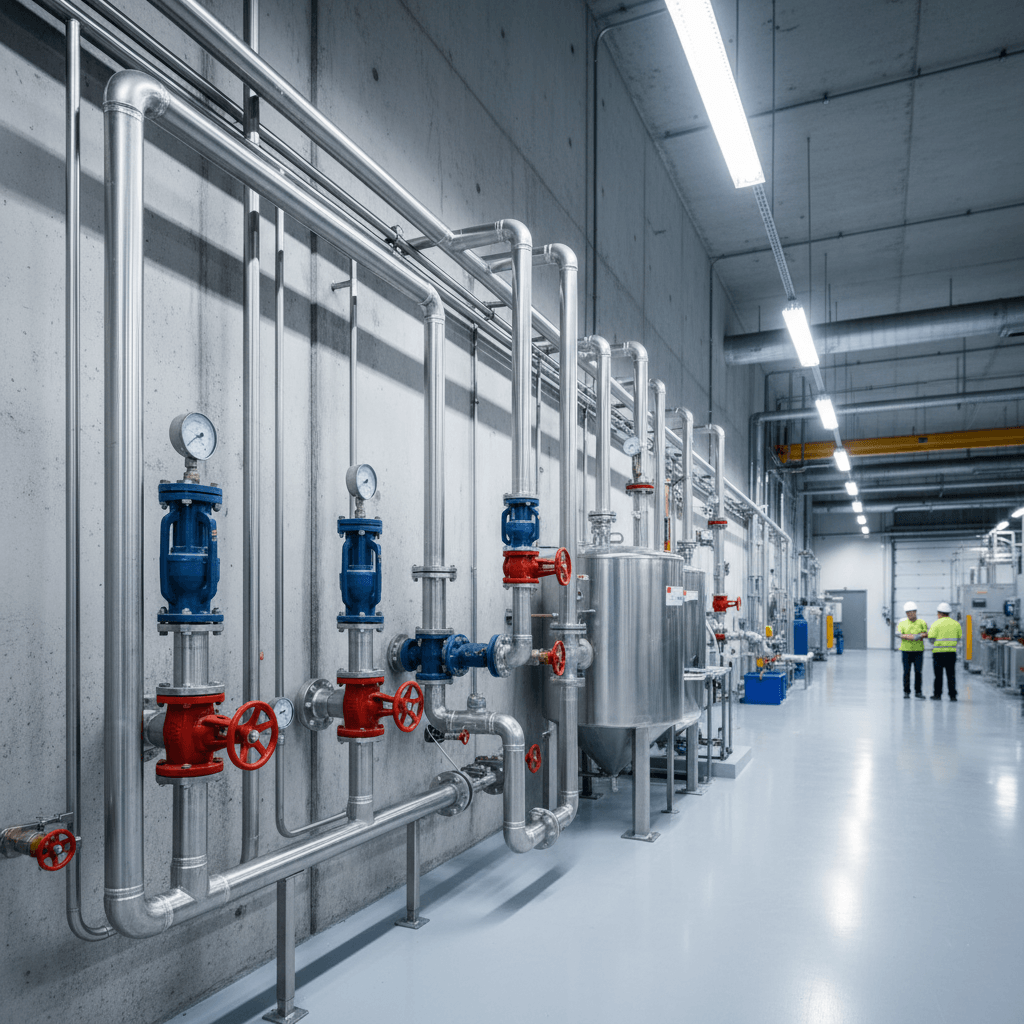
Industrial plumbing covers the installation, maintenance, inspection, repair, and replacement of plumbing systems used in industrial facilities and other large or specialized properties. These systems can be more demanding than typical residential plumbing because they may serve larger spaces, more fixtures, higher water usage, specialized equipment, and more complex drainage requirements.
Depending on the facility, industrial plumbing work can involve water supply lines, drainage and waste piping, floor drains, sump pumps, backflow prevention, fixtures, commercial water heaters, equipment connections, and other mechanical plumbing components. The exact requirements depend on the building, its use, the existing infrastructure, and the plumbing equipment installed.
Industrial Plumbing Services We Provide
Industrial Plumbing Installation and Upgrades
Industrial facilities may require new plumbing lines when a building is renovated, equipment is added, production areas change, or an existing system reaches the end of its useful life. We can assess the project requirements and help plan plumbing installation or upgrades around the facility's operational needs.
Pipe Repair and Replacement
Damaged, corroded, leaking, or deteriorated pipes can cause water loss and property damage. We inspect the affected area, determine the likely source of the problem, and recommend repair or replacement based on the condition and application of the plumbing system.
Drain Cleaning and Drainage Solutions
Industrial and commercial drains can collect grease, sediment, debris, scale, and other materials. Slow drainage, standing water, recurring blockages, and unpleasant odours can indicate a developing drainage problem. Professional drain cleaning can address the blockage while helping identify conditions that may cause repeated backups.
Sump Pump Services
Sump pumps help move accumulated water away from vulnerable areas such as basements and below-grade spaces. A failed or poorly maintained sump pump can increase the risk of flooding. We can inspect sump pump problems and provide repair or replacement services when required.
Backflow Prevention
Backflow prevention helps protect potable water supplies from unwanted reverse flow. Commercial and industrial properties may have specific backflow risks depending on their plumbing configuration and operations. We can assess the plumbing system and recommend appropriate backflow prevention measures.
Emergency Industrial Plumbing
Some plumbing failures require immediate attention. Burst pipes, major leaks, severe backups, failed sump pumps, and other urgent problems can quickly cause water damage or interrupt business operations. When an emergency occurs, we focus first on controlling the immediate problem and then identifying the underlying cause. See our emergency plumbing services for urgent support.
Common Industrial Plumbing Problems in Brampton
Recurring Drain Blockages
A drain that repeatedly becomes blocked should not be treated as a simple one-time clog. Recurring blockages can point to buildup, damaged piping, poor drainage, or another underlying condition. If the same drain continues to slow down after cleaning, professional inspection can help determine why.
Leaks and Water Damage
Leaks can occur around supply lines, valves, fixtures, joints, equipment connections, and aging pipework. Even a small leak can create significant damage when it continues unnoticed. Signs include unexplained water accumulation, damp walls or ceilings, staining, mould growth, or unexpectedly high water use.
Low or Inconsistent Water Pressure
Low water pressure can interfere with fixtures, equipment, cleaning operations, and normal facility use. Possible causes include supply restrictions, damaged piping, pressure-related equipment problems, or buildup inside the plumbing system. The right solution depends on the location and cause of the pressure loss.
Sump Pump Failure
A sump pump that does not start, runs continuously, makes unusual noises, or fails to remove water should be inspected promptly. Waiting until heavy rain or a plumbing emergency can leave a facility without adequate drainage protection.
Backflow Risks
Backflow can create a serious water-quality concern when contaminated or non-potable water is able to move back into a potable supply. Industrial properties should assess backflow risks based on their plumbing configuration and the activities carried out on site.
When Should You Call an Industrial Plumber?
You should arrange professional plumbing service when a problem is recurring, affecting business operations, causing water damage, or involving plumbing equipment that requires specialized assessment. Common situations include:
- ◆A major water leak or burst pipe
- ◆Repeated drain backups or severe blockages
- ◆Water pooling around equipment or inside the facility
- ◆A sump pump that has stopped working
- ◆Persistent low water pressure
- ◆Signs of damaged, corroded, or leaking pipes
- ◆Suspected backflow or water-quality concerns
- ◆A plumbing problem that returns after temporary repairs
- ◆Plumbing failures that could interrupt business operations
For urgent problems, act quickly to limit damage. If it is safe to do so, shut off the affected water supply and protect equipment or inventory from additional water exposure while arranging professional assistance.
Industrial Plumbing Maintenance Tips
Preventive maintenance can help identify plumbing problems before they become major failures. We recommend building plumbing checks into the facility's regular maintenance routine.
- ◆Inspect exposed pipes, valves, fittings, and connections for visible leaks or corrosion.
- ◆Watch for slow drains, recurring backups, or unusual odours.
- ◆Test and maintain sump pump systems before periods of heavy rainfall.
- ◆Investigate unexplained changes in water pressure or water consumption.
- ◆Keep floor drains clear of debris and materials that can enter the drainage system.
- ◆Address recurring plumbing failures instead of relying on repeated temporary fixes.
- ◆Schedule professional inspections when the facility has aging or heavily used plumbing infrastructure.
How We Approach Industrial Plumbing Projects
Every facility is different, so we begin by understanding the plumbing problem and the environment in which it occurs. We inspect the affected system, identify the likely cause, and discuss practical repair or replacement options. For larger projects, the scope may include evaluating existing piping, drainage, equipment connections, access requirements, and operational considerations.
Our goal is to provide a clear path from diagnosis to repair. Where an immediate repair is appropriate, we focus on restoring reliable operation. Where the problem indicates a larger system issue, we explain the condition and the available options so the property owner or facility manager can plan the work.
Why Professional Industrial Plumbing Matters
Industrial plumbing problems can have consequences beyond the plumbing fixture or pipe where the issue first appears. A leaking line can damage building materials. A blocked drain can affect work areas. A failed sump pump can expose a below-grade space to water damage. A persistent plumbing problem can also create operational disruption.
Professional assessment helps separate the visible symptom from the underlying cause. Instead of repeatedly addressing the same failure, we can evaluate the affected system and recommend a solution appropriate to the facility and its plumbing requirements.
Frequently Asked Questions
What is industrial plumbing?
Industrial plumbing involves the installation, maintenance, repair, and replacement of plumbing systems used in industrial facilities and other large or specialized properties. It can include water supply, drainage, piping, sump pumps, backflow prevention, fixtures, and equipment connections.
What does an industrial plumber do?
An industrial plumber diagnoses plumbing problems, repairs or replaces damaged components, services drainage systems, works on water supply and piping, and helps maintain plumbing infrastructure used by commercial and industrial facilities.
How often should industrial plumbing be inspected?
The appropriate frequency depends on the facility, plumbing age, usage, equipment, and operating environment. Facilities with heavily used or aging systems may benefit from more frequent professional inspections.
Can you handle emergency industrial plumbing problems in Brampton?
Yes. We provide emergency plumbing support for urgent issues such as major leaks, burst pipes, severe backups, and other plumbing failures that require prompt attention.
What are common signs of an industrial plumbing problem?
Common warning signs include recurring drain blockages, water leaks, standing water, unusual odours, low water pressure, unexplained water use, sump pump problems, and repeated plumbing failures.