Anytime Plumbing & Mechanical
Licensed Plumbing Team
A commercial plumbing system does much more than deliver water to taps and carry wastewater away. In an office, restaurant, retail space, warehouse, clinic or industrial facility, plumbing supports daily operations, sanitation, employee and customer comfort, equipment performance and building safety. A problem in one part of the system can affect multiple rooms or even disrupt business operations.
Commercial plumbing systems are often more complex than residential systems. They may serve more fixtures, operate for longer hours, handle higher water demand and include specialized equipment such as grease traps, backflow prevention devices, commercial water heaters and dedicated drainage networks. Their design also depends on the building's purpose, occupancy, layout and applicable code requirements.
For business owners and property managers, understanding the main components makes it easier to recognize warning signs, plan maintenance and communicate with a plumbing contractor. This guide explains the essential parts of a commercial plumbing system, what each one does and why proper installation and maintenance matter.
Table of Contents
- What Makes a Commercial Plumbing System Different?
- Essential Components of a Commercial Plumbing System
- Specialized Plumbing Equipment and Protection Systems
- Plumbing Access and Control Components
- How Commercial Plumbing Components Work Together
- Warning Signs Your Commercial Plumbing System Needs Attention
- Why Preventive Commercial Plumbing Maintenance Matters
- Frequently Asked Questions
- Conclusion: Know Your System and Maintain It Proactively
What Makes a Commercial Plumbing System Different?
A commercial plumbing system is designed around the demands of a business or public-use building. A restaurant may need kitchen sinks, floor drains, grease management and reliable hot water. An office may have multiple washrooms, staff kitchens and water distribution across several floors. A warehouse or industrial property may include process-related fixtures, specialized drainage or equipment connections.
The number of users, peak demand, fixture count, pipe routing and building height all influence system design. Commercial properties can also have multiple tenants sharing parts of the plumbing infrastructure. This makes accurate drawings, accessible shut-offs and a planned maintenance schedule especially important. Work should be assessed and completed by qualified professionals in accordance with applicable Ontario requirements and the building's approved design.
Essential Components of a Commercial Plumbing System
Water Supply and Distribution Piping
The water supply system brings potable water into the property and distributes it to fixtures, appliances and equipment. It typically includes the incoming service connection, main shut-off valve, meters where applicable, distribution piping, branch lines and local fixture shut-offs. Larger buildings may use pressure-regulating equipment, booster pumps or storage arrangements to maintain suitable pressure across different floors and demand periods.
Pipe material, diameter and routing must suit the intended use, water pressure, temperature and applicable code. Undersized or poorly configured piping can contribute to low pressure when several fixtures operate at once. Leaks, corrosion, damaged joints and failing valves can waste water and damage building finishes.
Property managers should know where the main shut-off and important zone valves are located. Keep access clear, label valves where practical and ensure responsible staff know whom to contact if a leak occurs. Never force a seized valve; have it assessed by a plumber.
Fixtures and Plumbing Appliances
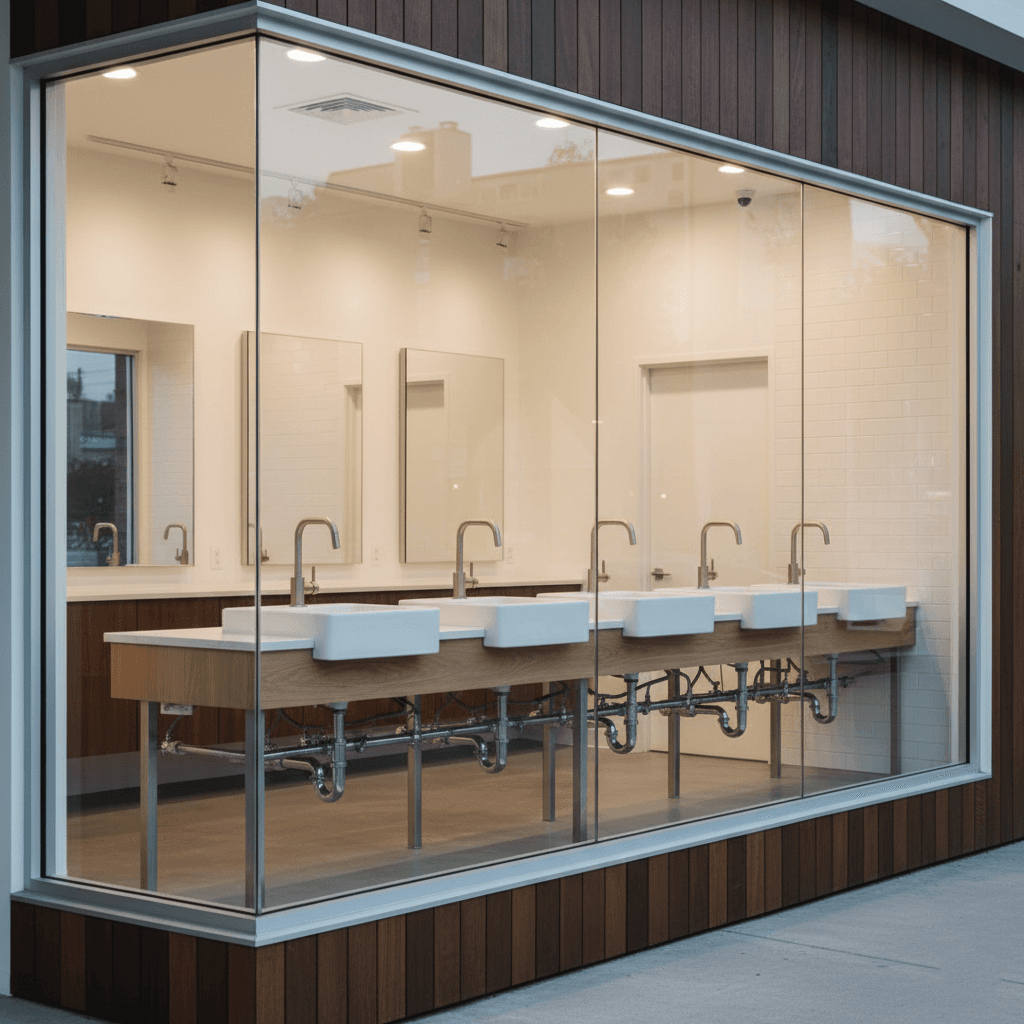
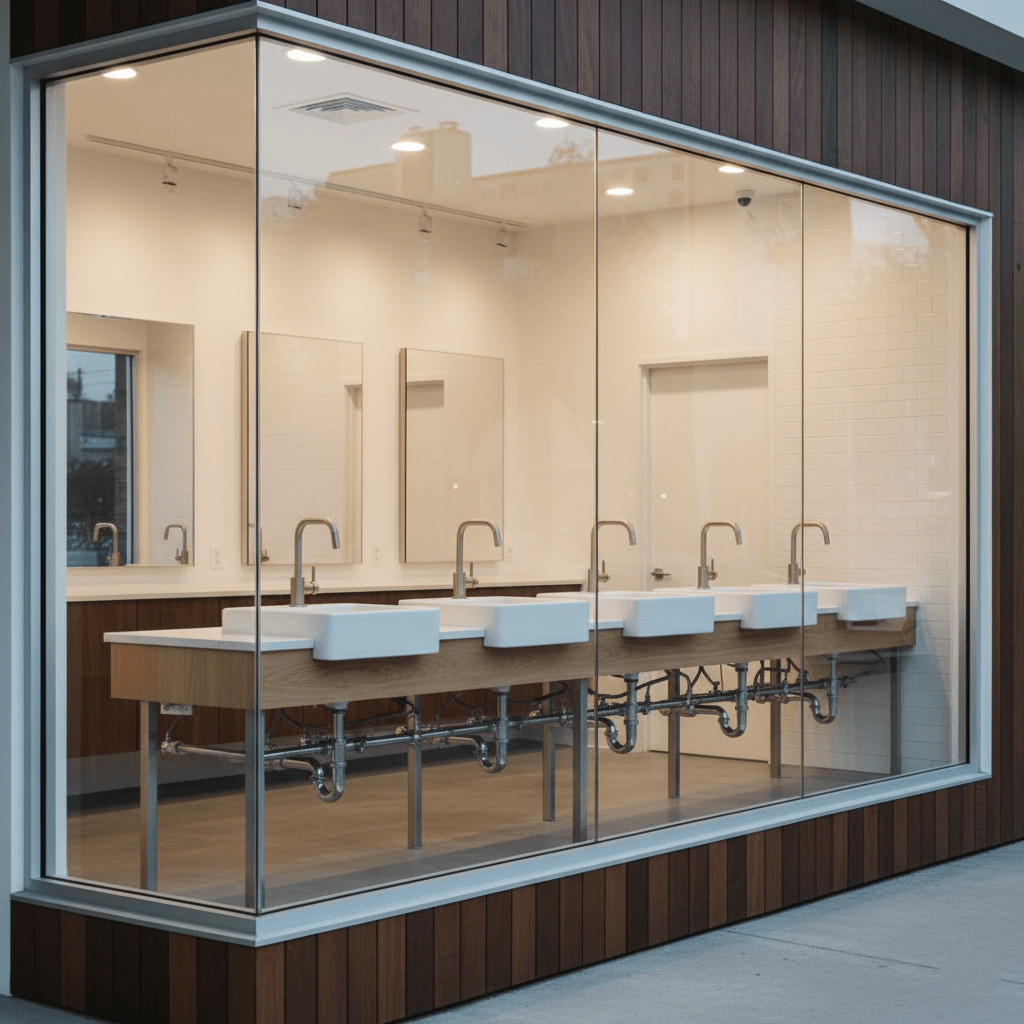
Fixtures are the points where people use the water system. In commercial properties, these may include toilets, urinals, handwashing sinks, kitchen sinks, service sinks, showers, drinking fountains, mop basins and specialized equipment connections. Each fixture has its own flow, drainage and usage requirements.
High-traffic washrooms can experience wear more quickly than fixtures in a small office. Running toilets, leaking faucets, loose connections, damaged flush valves and slow-draining sinks can increase water consumption and create inconvenience. In healthcare, food service and other regulated environments, fixture placement and operation may also support hygiene and sanitation procedures.
Routine visual checks help identify leaks, inconsistent flushing, unusual noises and deteriorating seals. Repairs should address the cause rather than simply masking symptoms. When a business renovates or changes how a space is used, the fixture count and plumbing capacity should be reviewed before work begins.
Drainage, Waste and Vent Systems
The drainage system removes wastewater from sinks, toilets, floor drains and connected equipment. Branch drains connect to larger building drains and, ultimately, the building sewer connection. Proper pipe sizing, slope, support and connection details help wastewater flow by gravity and reduce the likelihood of recurring blockages.
The vent system is equally important. Vent pipes allow air into the drainage network and help maintain pressure balance as wastewater moves through the pipes. Without proper venting, fixtures may drain slowly, gurgle or allow trap seals to be disturbed. Plumbing traps retain a small amount of water that helps block sewer gases from entering occupied spaces.
Commercial drains can collect soap residue, paper products, sediment, food particles and grease, depending on the building's use. Floor drains and cleanouts should remain accessible, and strainers should be cleared regularly. Repeated clogs, sewer odours or several slow fixtures at once can indicate a larger issue that requires professional investigation.
Commercial Water Heating Equipment
Many businesses depend on a consistent supply of hot water. Restaurants need hot water for cleaning and sanitation; hotels and gyms serve guests throughout the day; clinics and other facilities may have specific operational requirements. Commercial water heating equipment is selected according to peak demand, recovery requirements, storage capacity, fuel or energy source and available mechanical space.
A commercial water heating installation may include one or more storage tanks, tankless units, circulating pumps, mixing valves, expansion control and associated safety devices. The configuration depends on the building and the equipment manufacturer's specifications. Poor sizing can result in insufficient hot water during busy periods, while neglected equipment may develop leaks, scale buildup or reduced performance.
Maintenance may include checking for leaks, reviewing temperature and pressure controls, inspecting connections and servicing equipment according to manufacturer guidance. Temperature settings and anti-scald protection should be reviewed by a qualified professional to balance operational needs and user safety.
Specialized Plumbing Equipment and Protection Systems
Backflow Prevention Devices
Backflow is the unwanted reversal of water flow that can allow non-potable water or contaminants to enter a potable water supply. Changes in pressure, cross-connections or equipment arrangements can create a risk. Commercial buildings may have connections to irrigation, boilers, fire protection, food-service equipment, chemical systems or other installations that require an appropriate level of protection.
Backflow prevention devices are selected according to the hazard and the applicable plumbing and municipal requirements. Different assemblies provide different levels of protection; the correct device, installation location, accessibility and testing requirements must be determined by qualified personnel. A device should not be bypassed, removed or altered without proper assessment.
Owners and facility managers should maintain records of installed devices and required inspections or tests. If a building changes its equipment or processes, have the plumbing arrangement reviewed to determine whether the existing protection remains suitable.
Grease Traps and Commercial Kitchen Plumbing
Food-service businesses have plumbing needs that differ from most offices and retail spaces. Commercial kitchens may include preparation sinks, pot sinks, dishwashing equipment, floor drains, indirect waste connections and grease interceptors. Grease traps or interceptors help capture fats, oils and grease before they enter downstream drainage piping.
If fats, oils and grease are poured into sinks, they can cool and accumulate on pipe walls. Food scraps and other solids may become trapped in the buildup, increasing the risk of slow drains and sewer blockages. Kitchen staff should scrape food waste into bins, collect used cooking oil separately and follow the property's grease-management procedures. Learn more about commercial plumbing requirements for GTA restaurants.
Grease-control equipment must be correctly sized, accessible and maintained in line with its design, manufacturer instructions and applicable local requirements. Cleaning frequency depends on usage and accumulated material; operators should not assume one schedule is suitable for every kitchen.
Sump Pumps and Sewage Ejector Systems
Some commercial buildings have below-grade spaces, plumbing fixtures below the level of the building sewer or areas exposed to groundwater. A sump pump removes collected groundwater or seepage from a sump basin and discharges it to an approved location. A sewage ejector or lift pump moves wastewater from fixtures that cannot drain by gravity to the sewer connection.
These systems are not interchangeable. A sump pump is generally intended for groundwater or clear drainage water, while sewage ejector equipment is designed for wastewater containing solids within the limits of the pump specification. The correct equipment, basin, venting, discharge arrangement and alarms depend on the application and local requirements.
Maintenance should include checking the basin, pump operation, discharge piping, check valves and alarm where installed. Keep the area accessible and avoid storing materials where they can obstruct the equipment. If a pump runs continuously, cycles unusually often or fails to start, arrange prompt inspection.
Plumbing Access and Control Components
Shut-Off Valves, Cleanouts and Access Points
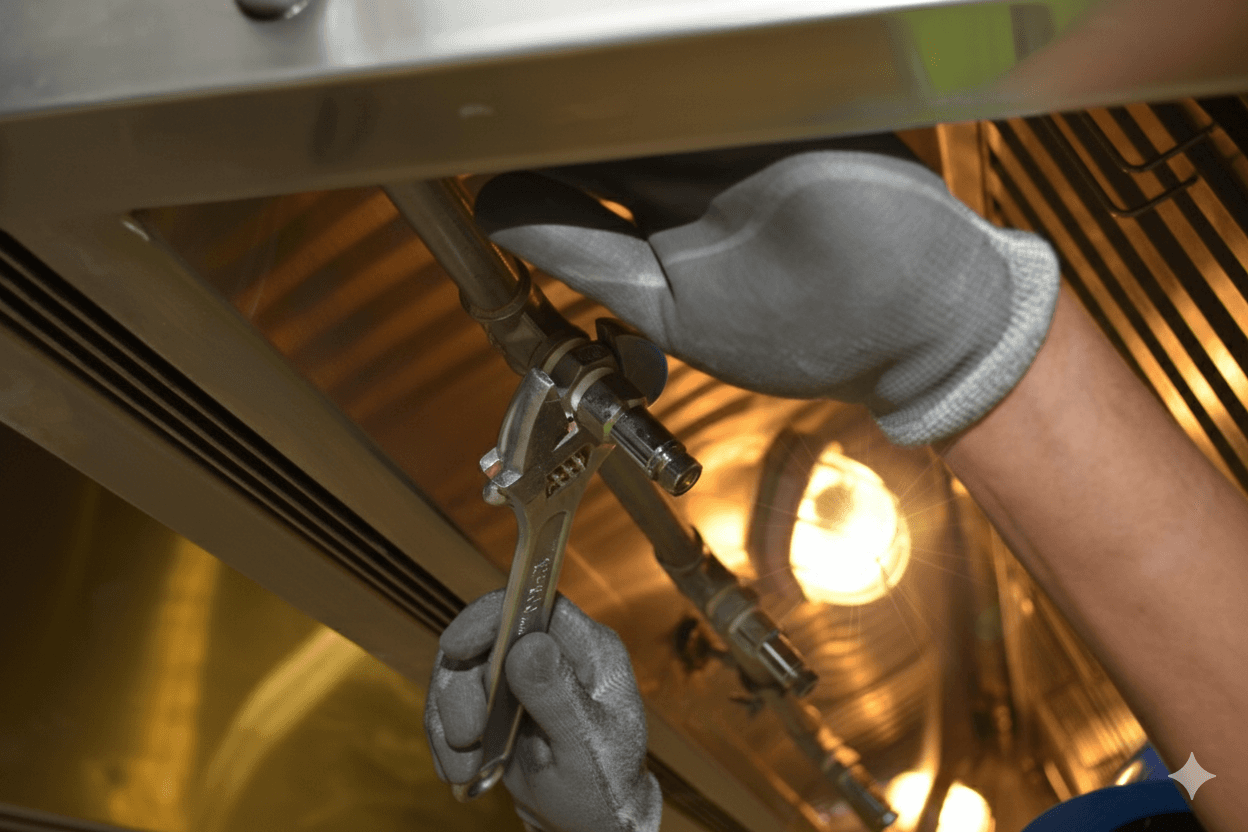
Valves and access points are easy to overlook because they are not used during normal operation. However, they are essential for isolating a leak, servicing equipment and clearing a drain. Main and zone shut-off valves allow sections of the water supply to be isolated, while cleanouts provide access to drainage piping for inspection and cleaning.
Keep access panels, valve boxes and cleanouts unobstructed. Maintain a basic plumbing plan showing the main shut-off, equipment locations, backflow devices and important cleanouts. This information can save valuable time during an emergency or planned repair, particularly in a large building or multi-tenant property.
How Commercial Plumbing Components Work Together
Commercial plumbing components operate as a connected system. The supply piping delivers water to fixtures and equipment. After use, wastewater enters traps and branch drains, then travels through the drainage network toward the building sewer. Vent piping helps maintain pressure balance, while specialized equipment such as grease interceptors, pumps and backflow devices addresses particular operating or safety requirements.
A fault in one component can affect another. For example, a poorly maintained grease interceptor may contribute to downstream drain restrictions. A failed shut-off valve can make a leak harder to isolate. Inadequate hot-water capacity can affect kitchen operations even when the water supply and drainage systems are functioning correctly. Looking at the system as a whole helps avoid treating every symptom as an unrelated problem.
Warning Signs Your Commercial Plumbing System Needs Attention
Business owners and facility teams should watch for changes in normal system performance. Common warning signs include:
- ◆Repeated leaks, water stains, damp flooring or unexplained increases in water use.
- ◆Several fixtures draining slowly or toilets gurgling at the same time.
- ◆Sewer odours, recurring drain clogs or wastewater backing up through floor drains.
- ◆Inconsistent water pressure or noticeable pressure changes during peak use.
- ◆Hot water running out quickly, fluctuating temperatures or visible water-heater leaks.
- ◆A backflow device, pump or alarm showing a fault or requiring scheduled service.
Do not ignore repeated symptoms or rely on chemical drain products as a substitute for diagnosis. If wastewater is backing up, stop using affected fixtures, restrict access to contaminated areas and contact a plumbing professional. If water is near electrical equipment, keep clear and follow the building's emergency procedures. For urgent issues, contact our emergency plumbing services.
Why Preventive Commercial Plumbing Maintenance Matters
Preventive maintenance helps identify wear, leaks, restrictions and equipment issues before they cause major disruption. A practical plan should reflect the building's age, occupancy, business activity, equipment and history of repairs. A restaurant, for example, may need a more focused grease-management routine than a small professional office.
Create a record of the plumbing layout, installed equipment, shut-off locations, inspections, service dates and repairs. Assign staff responsibility for reporting leaks, odours and drainage changes. Schedule professional inspections and equipment servicing at intervals appropriate to the system and manufacturer recommendations. Review the plan after renovations, tenant changes or increases in water demand.
A qualified commercial plumbing contractor can help prioritize maintenance, assess system capacity and recommend repairs or upgrades. This can support more predictable operating costs, reduce avoidable downtime and help keep the building's plumbing infrastructure dependable.
Conclusion: Know Your System and Maintain It Proactively
A commercial plumbing system is a network of connected components that supports a building's daily operations. Understanding the water supply, fixtures, drainage and venting, water heating, backflow protection, grease management, pumps and access points helps business owners make better maintenance decisions and recognize problems sooner.
Every property has different plumbing demands. A restaurant, office, warehouse, clinic or multi-tenant building should have a maintenance approach based on its actual equipment and use. When planning repairs, upgrades or inspections, work with a qualified commercial plumbing contractor who can assess the complete system rather than focusing only on the visible symptom.
At Anytime Plumbing & Mechanical, we provide commercial plumbing services in Brampton and across the GTA. Contact our team to discuss your building's plumbing requirements, maintenance needs or planned upgrades. For more facility guidance, explore our articles on industrial plumbing in Brampton and the differences between an industrial plumber vs. commercial plumber.
Frequently Asked Questions
What is included in a commercial plumbing system?
A typical system includes the incoming water service, distribution piping, fixtures, drainage and vent piping, water heating equipment, shut-off valves and cleanouts. Depending on the building, it may also include backflow devices, grease interceptors, pumps and specialized equipment connections.
How is commercial plumbing different from residential plumbing?
Commercial systems generally serve more users and fixtures, may operate for longer hours and often include specialized equipment or multiple tenant areas. Design and maintenance depend on occupancy, business type, water demand and applicable requirements.
How often should a commercial plumbing system be inspected?
There is no universal interval for every building. Inspection frequency should reflect the property's age, use, equipment, prior issues and applicable testing or maintenance requirements. Follow manufacturer guidance and advice from qualified professionals.
Why is backflow prevention important in commercial buildings?
Backflow prevention helps protect potable water from contamination caused by reverse flow. The appropriate device and testing requirements depend on the building's connections, hazard classification and local rules.
Do all restaurants need a grease trap?
Food-service plumbing requirements depend on the kitchen operation, equipment, discharge and applicable municipal and building requirements. A qualified plumbing professional should determine the correct grease-control arrangement and maintenance plan.
What should I do if multiple drains in my business become slow?
Reduce water use in the affected areas and contact a plumber. Multiple slow fixtures can indicate a restriction in a shared branch or main drain rather than separate fixture problems.
Can plumbing upgrades be completed while a business remains open?
Some work can be phased or scheduled outside peak operating hours, but feasibility depends on the scope, access, safety and whether water or drainage must be shut off. Plan the work with the contractor to minimize disruption.